PRE-CONSTRUCTION
Plan Before the Project Reaches Site
Synercore brings practical construction knowledge into the project before site execution begins—testing scope, design coordination, sequencing, procurement, logistics, interfaces, and commercial assumptions to give owners and project teams a clearer, more executable basis for delivery and informed decision-making.
PRE-CONSTRUCTION VALUE Resolve Critical Questions Before Mobilization
Unresolved scope, design, sequencing, procurement, and interface issues rarely remain isolated. Once work begins, they can affect access, productivity, pricing, approvals, and downstream packages. Early review provides a stronger basis for timely, coordinated decisions.

Greater Project Clarity
Clarifies scope boundaries, design status, assumptions, constraints, and decision requirements before work packages are released for pricing and execution.

Earlier Risk Visibility
Surfaces constructability, logistics, procurement, and interface concerns while options remain available and changes may be less disruptive.
Stronger Delivery Readiness
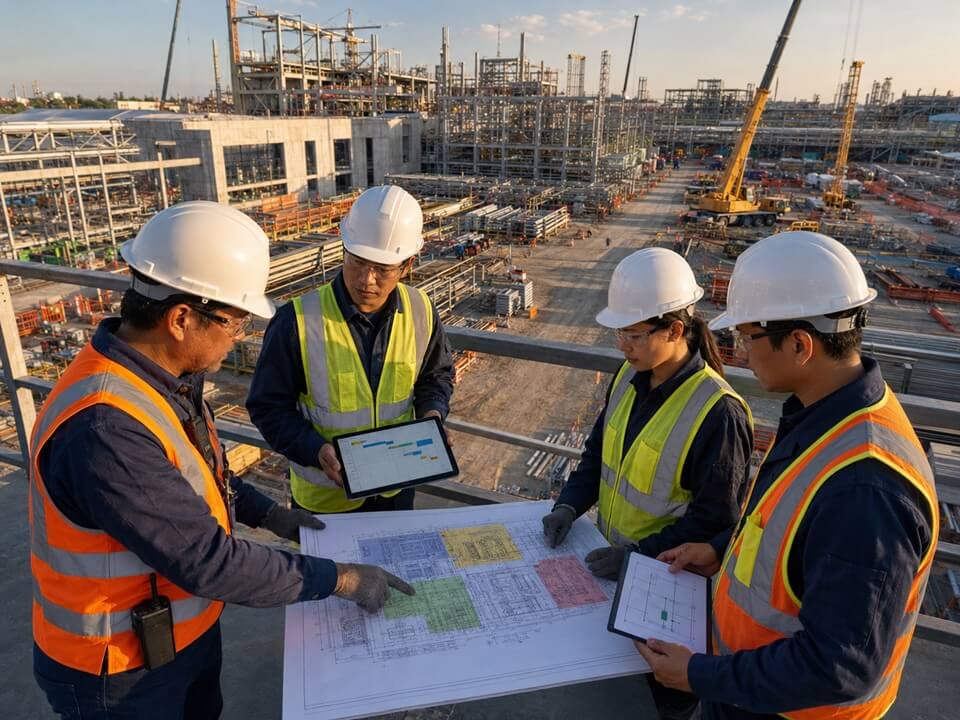
Aligns the proposed sequence, procurement approach, work packages, responsibilities, and milestones with the practical realities of site delivery.
CORE PRE-CONSTRUCTION CAPABILITIES Construction Insight Before Execution Begins
Synercore’s role is defined by the agreed appointment and the project information available at the time. The following services may be provided individually or combined into an integrated pre-construction workstream.

Constructability Reviews
Review design coordination, site access, logistics, tolerances, interfaces, work sequencing, material availability, temporary requirements, and known site constraints.
Supports: Practical resolution of execution constraints.

Value Engineering
Evaluate alternative systems, specifications, materials, construction methods, and sequences against QHSE, performance, compliance, maintainability, commissioning, and asset-integrity requirements.
Supports: Balanced technical and commercial decisions.

Pre-Construction Scheduling
Develop or review milestones, activity logic, design releases, approvals, procurement lead times, dependencies, site logistics, commissioning requirements, and critical-path exposure.
Supports: Coordinated milestones and critical-path visibility.

Cost Planning and Budget Control
Review scope, quantities, pricing inputs, allowances, risk provisions, and the cost implications of proposed options to strengthen budget visibility where included in the appointment.
Supports: Informed budget and option decisions.

Procurement and Long-Lead Planning
Identify critical materials, equipment, specialist packages, procurement interfaces, required approvals, supply-market constraints, and long-lead items that may affect cost, sequencing, or delivery.
Supports: Earlier procurement decisions and improved supply readiness.
Subcontracting and Bidding
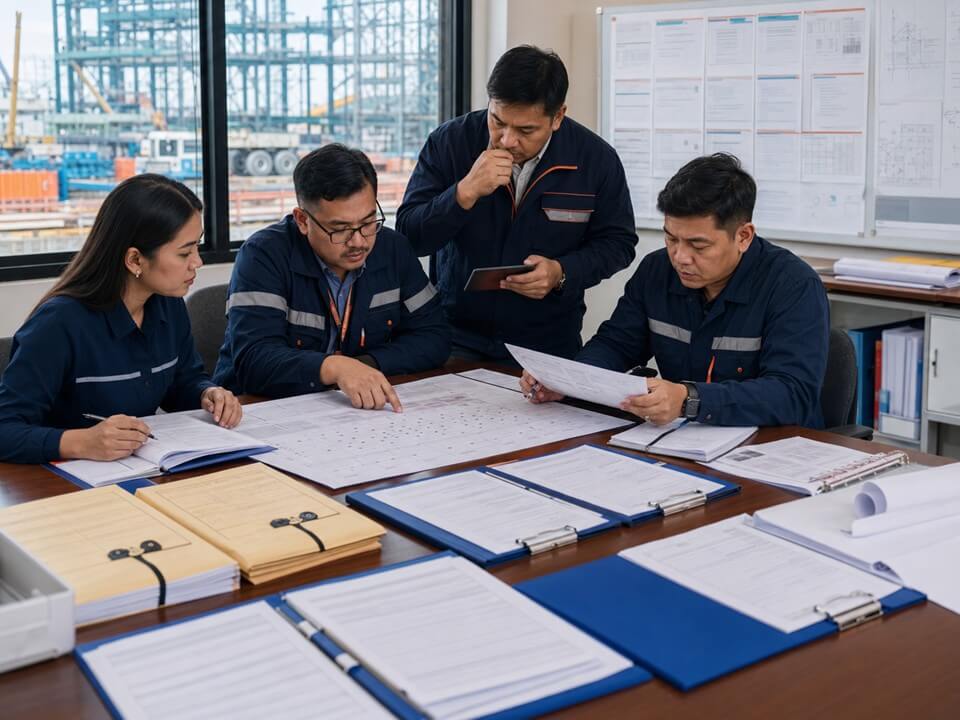
Define work packages, prequalify bidders, prepare tender information, compare submissions, clarify technical and commercial qualifications, and support recommendations for award readiness.
Supports: Comparable bids and disciplined award decisions.
PROJECT OUTPUTS Turn Analysis Into Actionable Project Information
Depending on the project stage, available information, and agreed scope, Synercore may prepare or support the following outputs for client review, coordination, and approval:
- Constructability review with prioritized action register
- Design-interface and constraint log
- Value-engineering options with technical, cost, schedule, and risk implications
- Pre-construction program and milestone plan
- Procurement and long-lead-item schedule
- Scope and work-package recommendations
- Subcontractor prequalification and bid-evaluation documentation
- Budget, estimate, or cost-plan updates, where expressly included
These outputs support project decisions but do not replace the responsibilities of licensed designers, specialist consultants, statutory authorities, or the client’s designated approving parties.

HOW WE WORK
From Project Brief to Execution Plan
A structured review converts available project information into coordinated decisions, defined actions, and a practical basis for mobilization.
01 — Understand the Project
Clarify the location, current stage, objectives, preliminary scope, decision priorities, target schedule, constraints, and intended procurement route.
02 — Review the Available Information
Examine available drawings, specifications, surveys, estimates, schedules, approvals, commercial assumptions, and responsibility boundaries.
03 — Test Constructability and Delivery Assumptions
Review design interfaces, site conditions, access, logistics, sequencing, temporary requirements, resource assumptions, and constraints affecting execution.
04 — Evaluate Options and Procurement Requirements
Compare feasible alternatives, define work packages, identify long-lead requirements, and align tendering priorities with the proposed delivery sequence.
05 — Confirm the Execution Plan
Consolidate agreed actions, responsibilities, milestones, procurement activities, controls, and unresolved matters into a coordinated basis for mobilization.
SYNERCORE CORE CAPABILITIES Construction is not just our profession—it's our passion.
For each project we undertake, our teams work relentlessly to expand limits, better communities, and define future living environments.
FREQUENTLY ASKED QUESTIONS
Pre-Construction Questions, Answered
These answers explain when to involve Synercore, what information supports the review, and how the appointment may translate into practical decisions and deliverables.
Synercore should ideally be engaged while design, packaging, procurement, and sequencing decisions can still be influenced. The appropriate timing depends on the project stage and required role, but early involvement may provide more opportunity to identify constraints, compare options, and coordinate responsibilities before mobilization.
Initial information may include project location, facility type, current stage, preliminary scope, design documents, site data, target milestones, procurement requirements, known constraints, and commercial assumptions. Synercore can confirm the minimum information needed after reviewing the intended appointment and the decisions the client needs to make.
Coverage is defined by the appointment and may include design coordination, access, logistics, tolerances, temporary works requirements, material availability, construction sequencing, package interfaces, commissioning considerations, and known site constraints. The review identifies issues and recommended actions; it does not replace the responsibilities of licensed designers or approving authorities.
No. Value engineering tests whether alternative systems, specifications, materials, methods, or sequencing can improve overall project value. Options should be considered against QHSE, performance, compliance, schedule, maintainability, life-cycle implications, and asset integrity—not solely initial cost. Final acceptance remains subject to technical validation and client approval.
Yes, where included in the appointment. Synercore may support work-package definition, bidder prequalification, tender documentation, bid comparison, clarification, recommendation, and award readiness. The specific procurement role, approval authority, confidentiality requirements, and commercial responsibilities must be established before the tender process begins.
Deliverables vary with design status, available information, project complexity, and agreed scope. They may include review registers, interface and constraint logs, value-engineering assessments, schedule and procurement plans, work-package recommendations, bid-evaluation documents, and cost-plan updates where estimating services are expressly included.

PREPARE FOR MOBILIZATION Build a More Executable Path Forward
Share the project location, current stage, preliminary scope, design status, target schedule, procurement requirements, known constraints, and available documents. Synercore will review the requirement and confirm where its pre-construction services may support the next decision.