What Guides Us

Values That Guide Our Work

Our values guide how we make decisions, protect people, manage risk, fulfill commitments, and deliver responsible industrial and construction work.

+ OUR SHARED STANDARD Principles Translated Into Practice

Principles Translated Into Practice

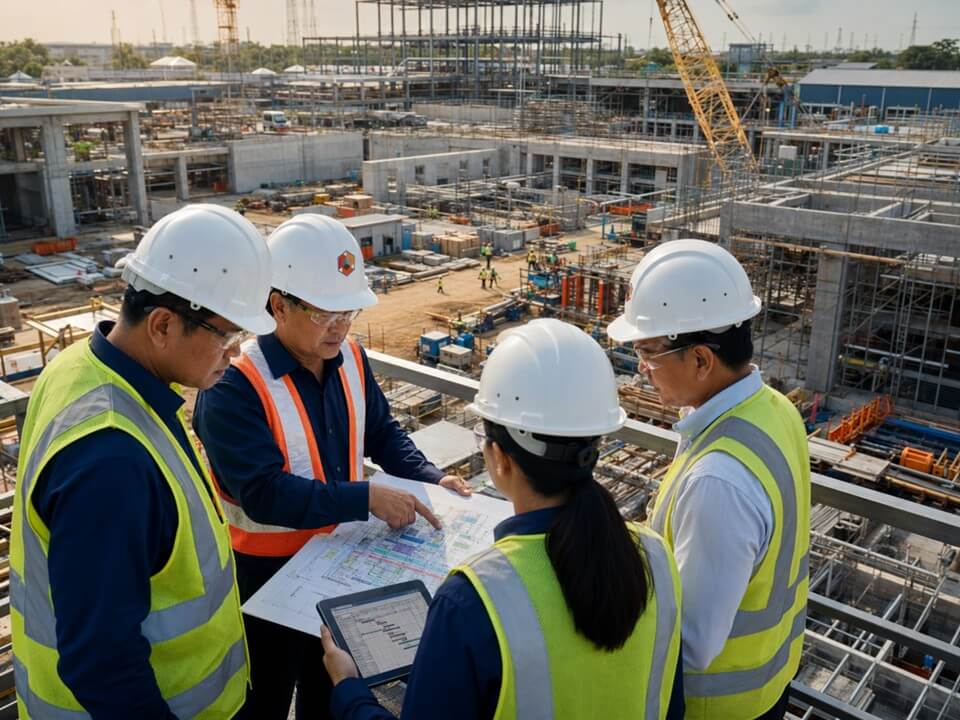
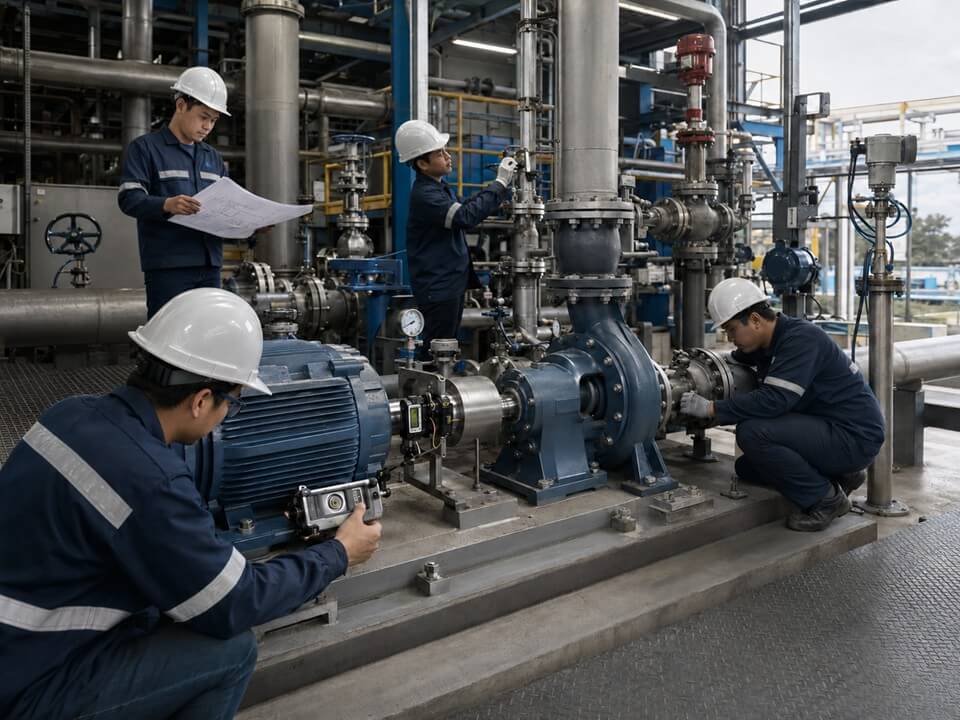
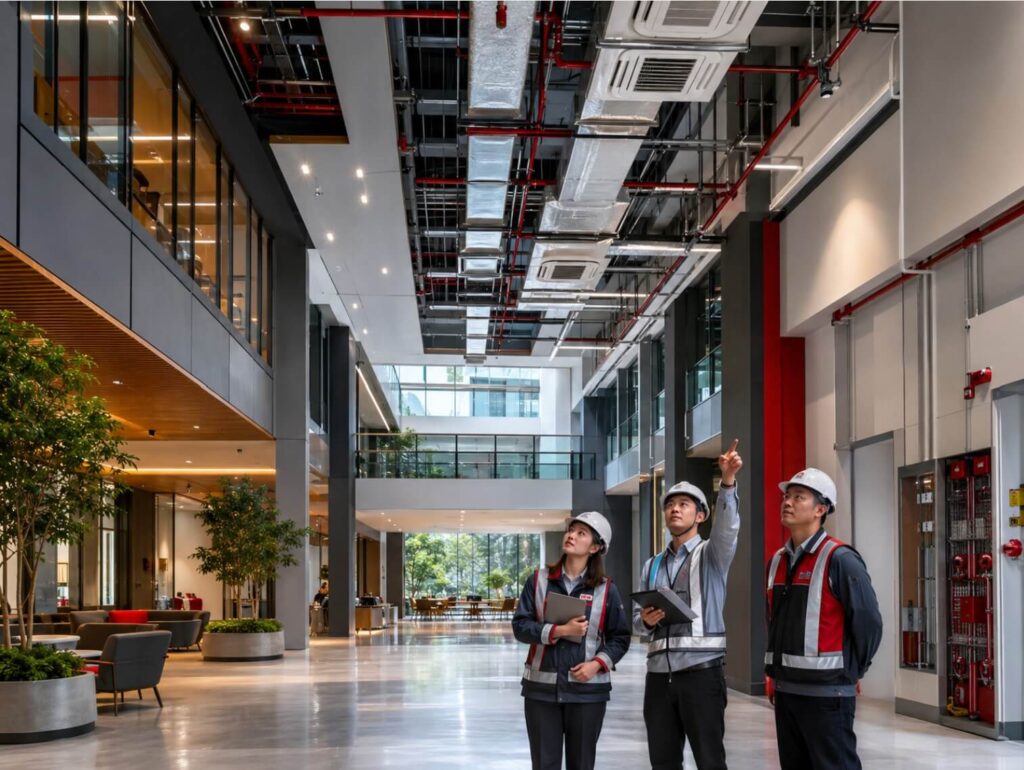
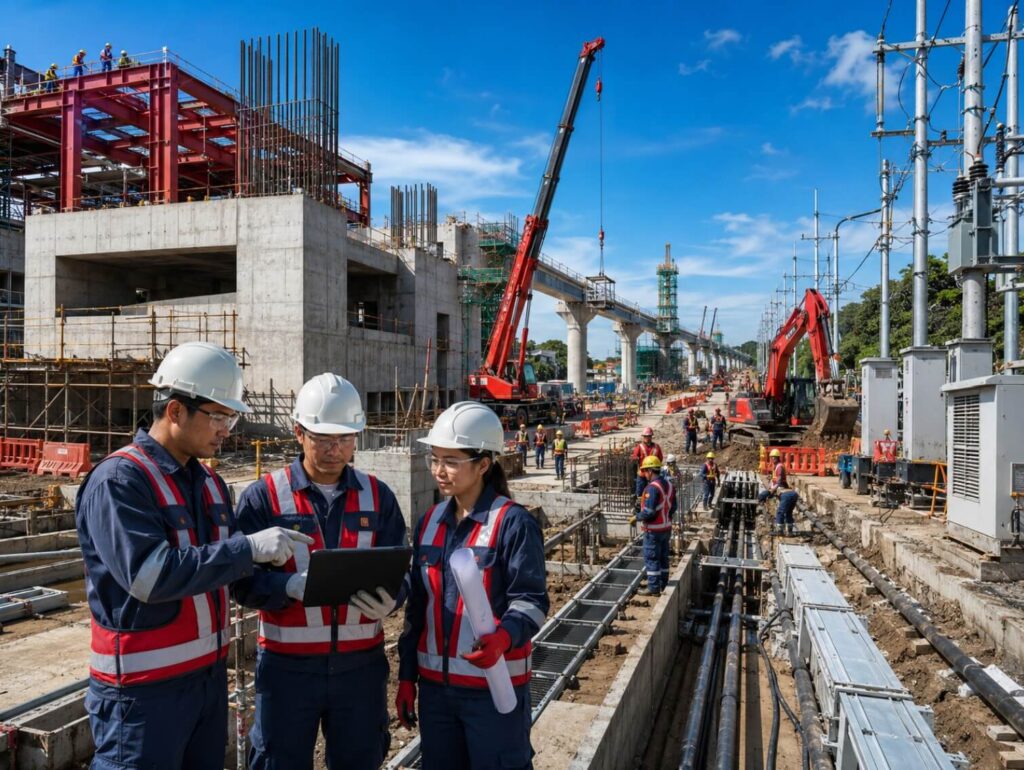
Synercore’s core values define the standards of conduct expected across our leadership, offices, workshops, project sites, and stakeholder relationships. They guide how we protect people and the environment, manage quality, communicate project realities, honor commitments, coordinate complex interfaces, and strengthen our performance.

These values are intended to influence everyday decisions—not simply describe corporate aspirations. Their credibility depends on how consistently they are reflected in leadership behavior, project planning, workforce practices, supplier relationships, technical execution, documentation, and the way concerns are raised and resolved.

Reliable

Solutions built for safe, dependable operations.

Experienced

Multidisciplinary industrial and construction expertise.

Responsive

Practical engineering and field support when required.

Disciplined

Quality, safety, schedule, and execution under control.

Our Core Values

Integrity in Every Decision

We act honestly, communicate responsibly, and make decisions that can withstand professional and public scrutiny.

Our values become meaningful when they influence the way work is planned, governed, executed, reviewed, and completed. They establish a common standard for leadership and employees while providing clients and partners with a clear understanding of the conduct they should expect from Synercore.

Integrity in Every Decision

We act honestly, communicate responsibly, and make decisions that can withstand professional and public scrutiny.

Integrity governs how we represent our capabilities, manage information, honor commitments, and respond when difficult issues arise. We communicate truthfully, protect confidential information, disclose material concerns, and avoid conduct that could compromise trust or professional judgment.

Clients, employees, suppliers, regulators, and partners should expect fair dealing and responsible communication—particularly when an issue could affect safety, quality, cost, schedule, compliance, or project outcomes.

What this means in practice:

  • Represent qualifications, progress, costs, and performance accurately.
  • Disclose conflicts, limitations, errors, and material risks promptly.
  • Protect confidential, commercial, employee, and project information.
  • Refuse unethical, deceptive, unsafe, or noncompliant conduct.
  • Escalate serious concerns through the appropriate channels.
Safety and Stewardship

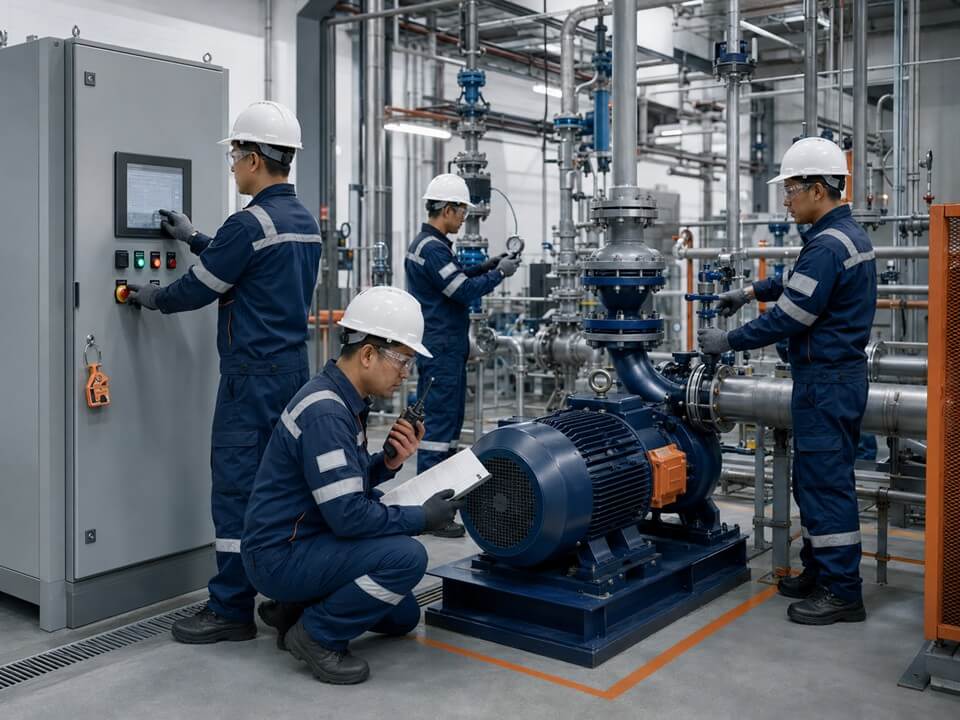
We protect people, assets, communities, and the environment through disciplined planning and responsible action.

Safety is a fundamental condition of responsible project delivery. It must not be compromised for convenience, cost, productivity, or schedule. We expect hazards, environmental impacts, and community interfaces to be assessed before work begins and managed as conditions change.

Everyone involved in our work should be encouraged to raise concerns and intervene when conditions are unsafe or uncontrolled. Stakeholders should expect competent supervision, orderly work areas, appropriate controls, responsible resource use, and respect for applicable project and regulatory requirements.

What this means in practice:

  • Identify hazards and environmental impacts before work begins.
  • Apply approved controls, permits, procedures, and protective equipment.
  • Stop and escalate work when conditions are unsafe or materially different from the approved plan.
  • Maintain orderly workplaces and protect surrounding communities and assets.
  • Consider environmental and social consequences when planning and executing work.

Quality by Discipline

We build quality into planning, workmanship, verification, documentation, and project closeout.

Quality begins with clear requirements, competent people, controlled materials, coordinated execution, and defined acceptance criteria. We seek to prevent defects by planning work properly and verifying that deliverables meet applicable drawings, specifications, codes, contractual requirements, and approved procedures.

Clients should expect controlled workmanship, appropriate inspection, traceable records, timely resolution of nonconformances, and disciplined handover. Quality should be established throughout delivery—not left for final inspection to recover.

What this means in practice:

  • Confirm requirements, interfaces, responsibilities, and acceptance criteria before execution.
  • Use approved materials, drawings, procedures, and technical information.
  • Inspect and test work at defined control and verification points.
  • Record deviations, approvals, results, and corrective actions accurately.
  • Complete handover documentation and outstanding work systematically.

Ownership and Accountability

We take responsibility for our commitments, decisions, performance, and corrective actions.

Accountability means understanding what must be delivered, who is responsible, when it is required, and how success will be assessed. We expect leaders and employees to follow through on commitments, communicate emerging problems early, and take appropriate action when performance falls short.

Clients and partners should receive clear responsibilities, reliable reporting, documented decisions, and timely escalation of matters affecting scope, safety, quality, cost, schedule, compliance, or operational readiness.

What this means in practice:

  • Clarify responsibilities, authorities, deliverables, and deadlines.
  • Honor commitments or communicate constraints before they become critical.
  • Report progress, risks, changes, and performance accurately.
  • Take ownership of errors and implement appropriate corrective action.
  • Verify that assigned actions have been completed effectively.

Respectful Collaboration

We respect every contributor and coordinate across interfaces to achieve responsible project outcomes.

Industrial and construction projects depend on coordinated decisions across multiple technical disciplines, organizations, and stakeholders. We promote professional communication among employees, clients, engineers, contractors, suppliers, regulators, communities, and operators.

Stakeholders should expect their concerns to be heard, responsibilities to be coordinated, and disagreements to be addressed constructively. Collaboration does not remove accountability; it strengthens execution by improving information flow, clarifying interfaces, and aligning teams around defined project requirements.

What this means in practice:

  • Listen to technical, operational, workforce, client, and stakeholder perspectives.
  • Treat people fairly and professionally, regardless of role or background.
  • Coordinate interfaces, dependencies, changes, and handovers.
  • Share relevant information with those responsible for acting on it.
  • Resolve disagreements through evidence, defined responsibilities, and agreed escalation channels.

Learning and Improvement

We learn from experience and strengthen how we plan, execute, and deliver.

Continuous improvement means using experience, performance data, incidents, feedback, and lessons learned to strengthen future decisions and execution. We examine root causes, share relevant knowledge, build workforce capability, and improve work methods without weakening approved controls.

Clients and employees should expect Synercore to pursue practical improvements that reduce recurring problems, strengthen competencies, improve coordination, and support safer, more reliable, efficient, and repeatable project delivery.

What this means in practice:

  • Review outcomes, incidents, deviations, feedback, and recurring problems.
  • Identify root causes rather than addressing symptoms alone.
  • Share relevant lessons across teams, functions, and projects.
  • Strengthen competencies through training, mentoring, and practical experience.
  • Improve procedures, tools, and work methods through controlled change.

FROM PRINCIPLE TO PERFORMANCE

How Our Values Shape Delivery

Our values become meaningful when they influence the way work is planned, governed, executed, reviewed, and completed. They establish a common standard for leadership and employees while providing clients and partners with a clear understanding of the conduct they should expect from Synercore.

Responsible Decision-Making

We consider safety, quality, contractual obligations, technical requirements, environmental effects, stakeholder interests, and long-term consequences when making decisions.

Disciplined Project Execution

We seek to establish clear scope, defined responsibilities, coordinated interfaces, appropriate controls, reliable reporting, and documented acceptance throughout the project lifecycle.

Professional Relationships

We engage clients, employees, suppliers, contractors, regulators, communities, and professional advisers with respect, fairness, openness, and appropriate commercial discipline.

Transparent Performance Management

We communicate progress, constraints, risks, changes, and corrective actions accurately so that issues can be understood, assigned, and managed before they become more difficult to resolve.

Learning Across Projects

We use lessons, feedback, performance reviews, and closeout findings to strengthen competencies, improve systems, and reduce the recurrence of preventable problems.

Leadership by Example

Our leaders are expected to demonstrate these values through their decisions, priorities, communication, conduct, and willingness to accept responsibility.

Work With a Team Guided by Clear Principles

Whether planning a new facility, executing industrial works, coordinating multidisciplinary construction, or supporting an operating asset, we welcome the opportunity to understand your requirements and discuss how Synercore can contribute.

Civil • Structural • Mechanical • Electrical • Industrial Works

Scroll to Top